Late Shift
Directed and written by Petra Volpe
(92 minutes)
IMDb
★★★★★
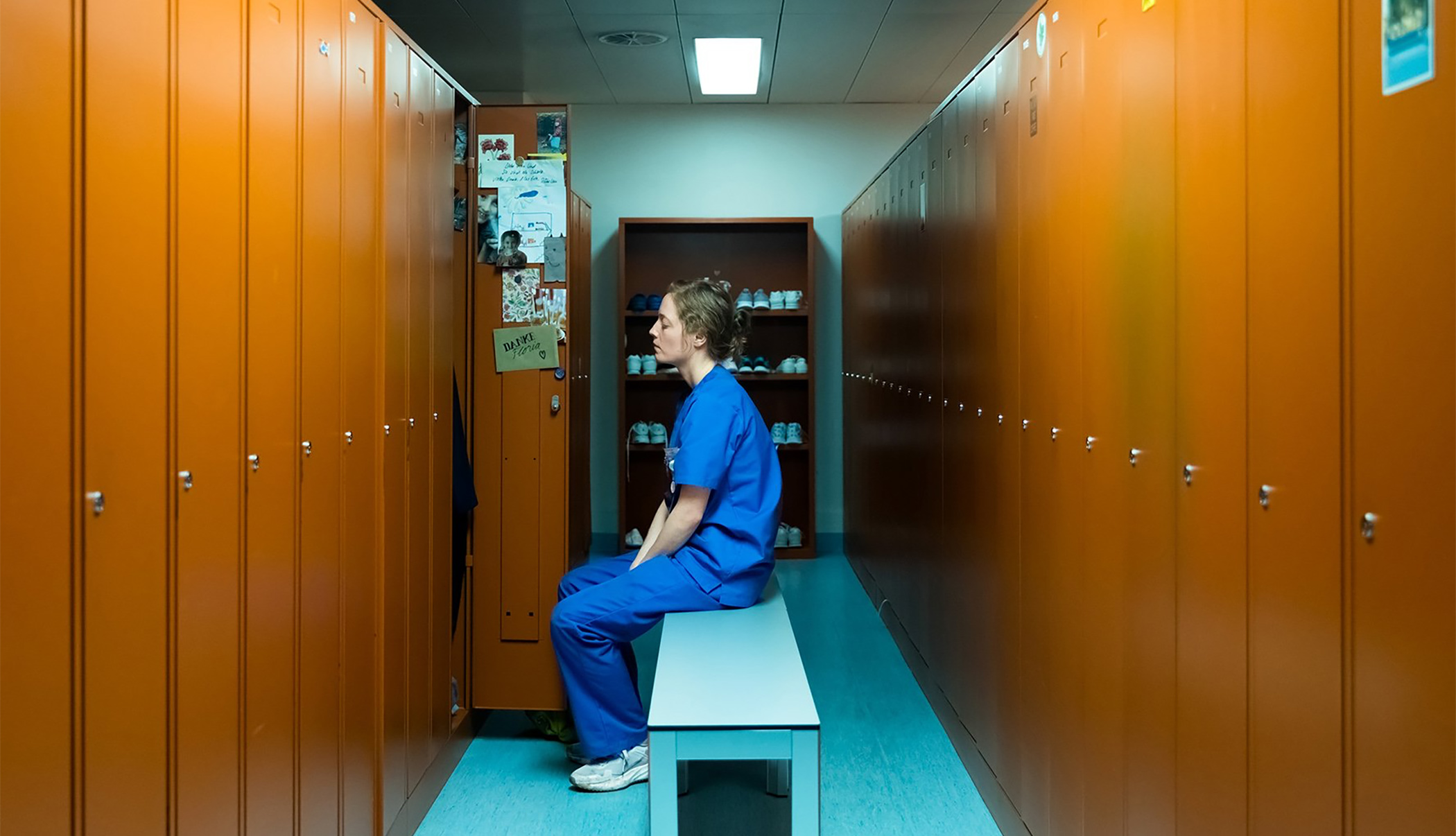
Wealthy Switzerland has a near 30 per cent vacancy rate for nurses. Volpe’s whirlwind drama tracks Floria, a nurse on the understaffed evening shift, looking after a ward of 26 patients. We see her changing into her scrubs, finding her mental focus, beforehand. Afterwards, she blutacks a ‘thank you’ note from a patient into her locker, and, shattered, travels home on a Zurich tram.
In between, we get the daunting nature of the job – high energy, high stakes, high stress. Leonie Benesch prepared for her role as Floria by working as an intern in Swiss hospitals. The camera tracks her as she propels a trolley of implements and drugs, and it keeps close as she works with patients. She reassures them and their relatives, communicates with other medical staff, keeps people on side, thinks on her feet. Benesch conveys brilliantly the grit, nous, and humanity needed to get through.
There’s the routine – helping the outgoing nurse change an incontinence nappy. The changes – the man with an allergic reaction to his meds. The emergencies – she cannot resuscitate a woman who’s stopped breathing. Those about to have surgery she wheels on a gurney to theatre. There are no porters.
At one point she loses it big time with a demanding private patient. There are quieter moments: a short chat to her daughter at home; a few minutes outside.
How can people keep going at this relentless pace? Volpe’s point is that they can’t. Superbly edited and shot, never sentimental or idealising, it’s an awesome tribute, and a warning.
Young Mothers
Directed and written by Jean-Pierre and Luc Dardenne
(105 minutes)
IMDb
★★★★★
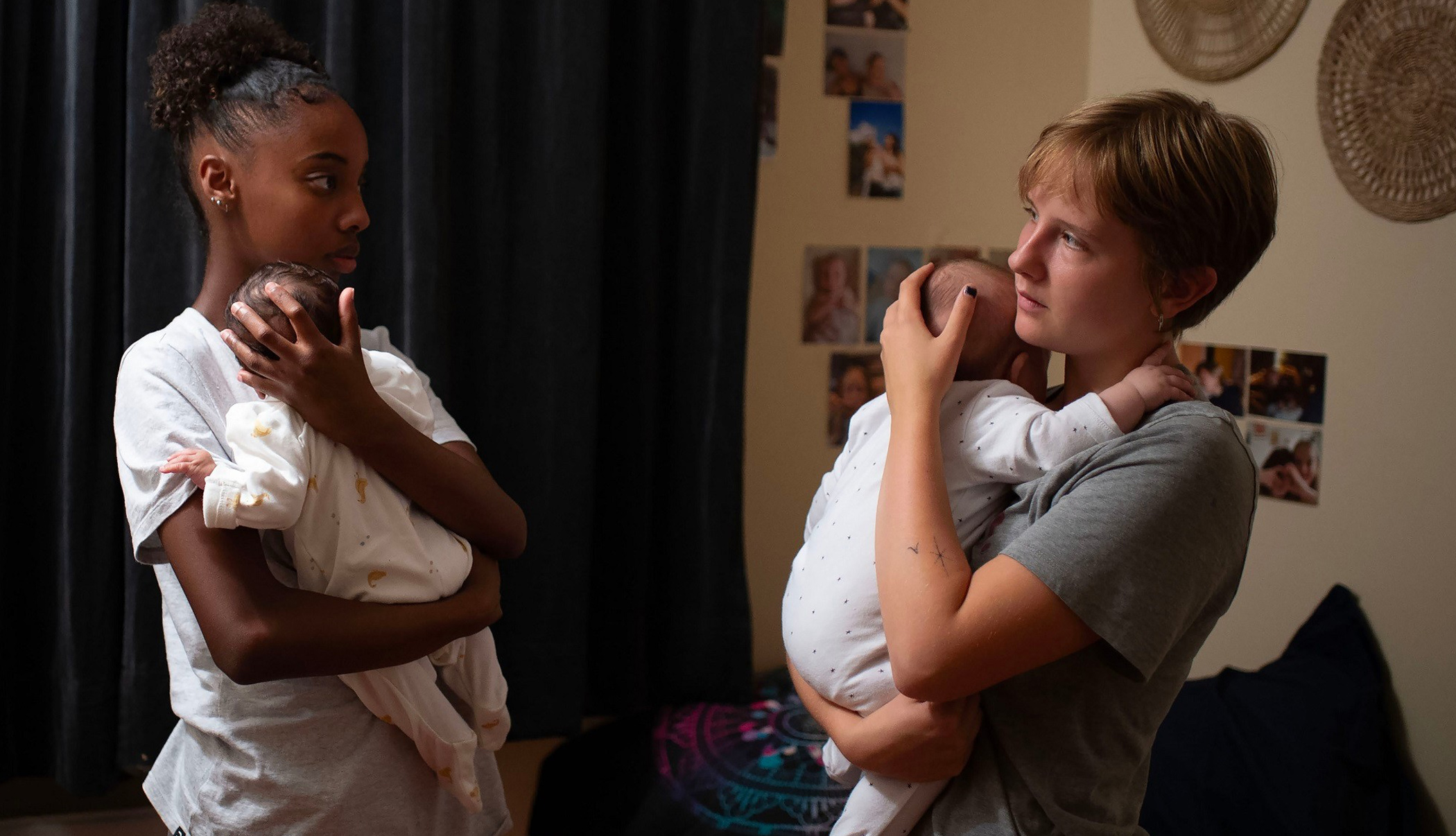
Jessica, a distressed 15-year-old, looks for her mum at a bus station. She’s heavily pregnant and desperate to meet the mother she’s never known. Perla, with pram and baby, waits to see her boyfriend who emerges after two months’ juvenile detention. However he’s only interested in the spliff she’s brought.
Jessica and Perla know each other – they both live at a Liège maternity support home. As does the wise-beyond-her-years Ariana. Naïma is about to move on, starting a job as a railway ticket collector. Bright-eyed Julie seems sorted too. With her baker’s apprentice boyfriend, she’s hoping to move into a subsidised-rent apartment. The Dardennes, celebrated for their unvarnished dramas of blue-collar insecurity, here adroitly weave together the stories of teenage mothers. Each is desperate to feel safe and loved – and for their babies to feel the same.
Fifteen-year-old Ariana, whose alcoholic mother had pressurised to have the baby, decides to have her adopted. As she writes a letter for her daughter to read on her eighteenth birthday, we feel the depth of her love and care. When she parts with her, and the baby beams, it’s at once loving, comforting, and painful. Another scene, where we watch Julie’s boyfriend break down, is devastating.
It’s a drama that’s superb on context. There’s no soundtrack music to tug at the heartstrings. Its emotional charge is grounded in personal, family and economic circumstances, and in the everyday support and solidarity at the maternity home, from social workers, counsellors and staff, and each other. Performances, almost entirely by first-timers, are vivid. It believes in people, it’s realistic, it’s wonderful.
