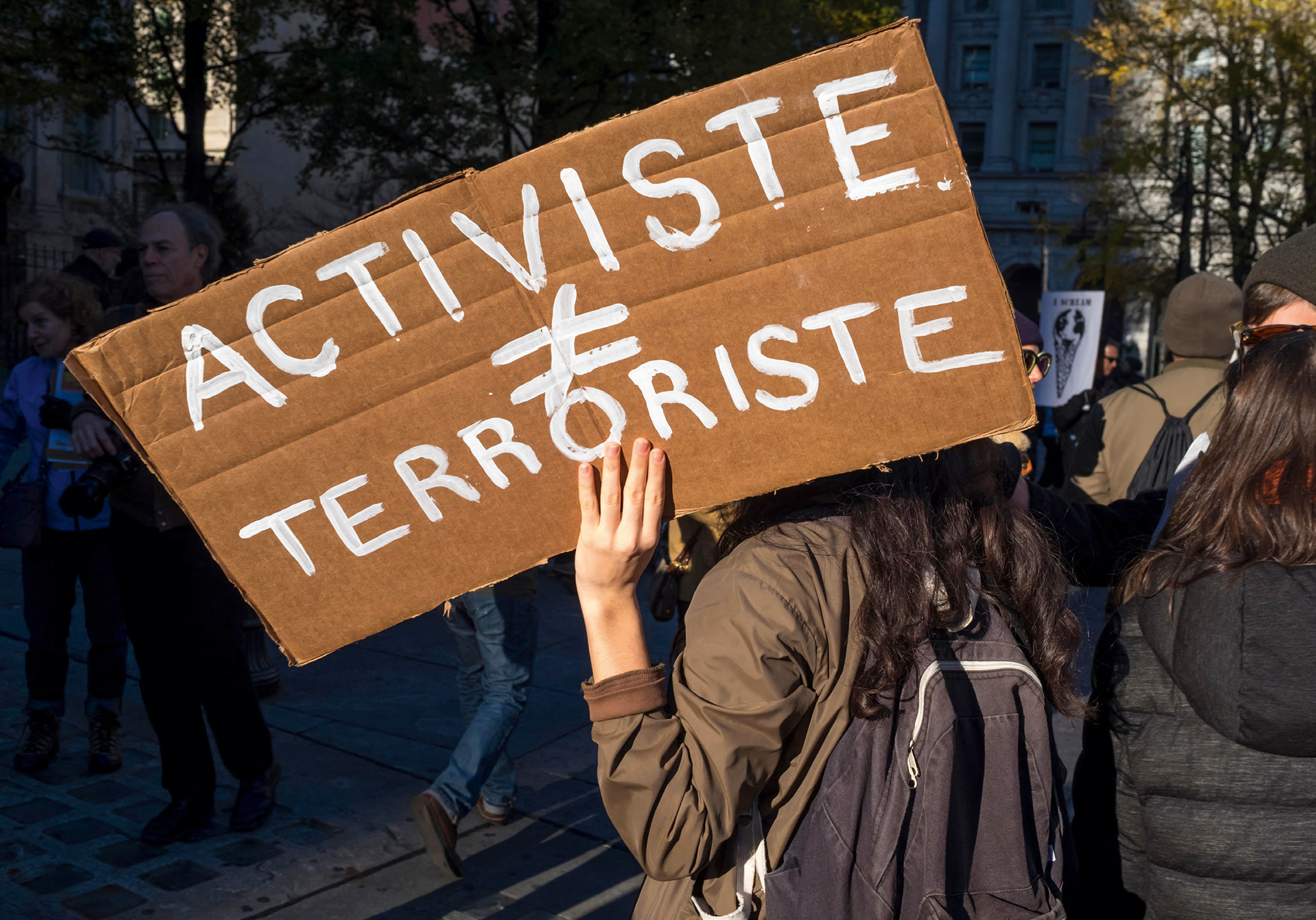
This month's big story
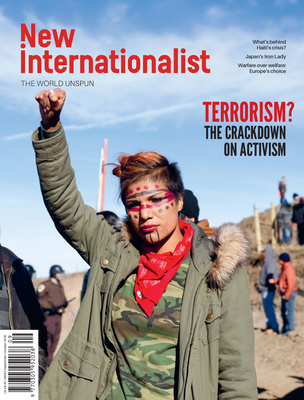
Activism = Terrorism?
September, 2026
The Empire Strikes Back. Across the globe governments are using terrorism laws to prosecute protesters. Decca Muldowney traces the practice back to its colonial origins, and considers the future consequences for activism.
The Sotos are unlikely terrorists.
A couple with three children, Elizabeth and Ines Soto lived in the Dallas-Fort Worth area of Texas in the United States, ...


A note from the editor
Decca Muldowney

Global crackdown
As this magazine went to print the United States government imposed sanctions on Palestine Action and several other international activist collectives, declaring them ‘far-left terrorist groups’. Their assets will be frozen, fundraising for the groups will be banned and those involved will face bans from travelling ...


.jpg "Atacama's famous flamingos have been hit by declining water and shrimp levels, affecting their numbers and colour. Photo: Vanessa Baird")


Try it first
Read a full sample magazine..
Recent feature articles
A selection of feature articles from each of the latest New Internationalist magazines.
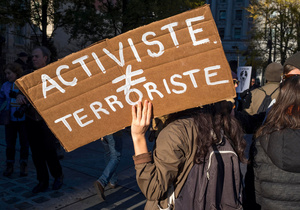
Activism = Terrorism?
563 - September, 2026
The Empire Strikes Back. Across the globe governments are using terrorism laws to prosecute protesters. Decca Muldowney traces the practice back to its colonial origins, and considers the future consequences for activism.
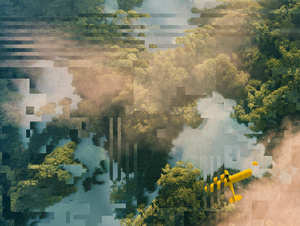
AI and its discontents
560 - March, 2026
Imagery generated by artificial intelligence has become the beloved aesthetic of today’s dictators, argues Decca Muldowney. A robust media is needed to combat misinformation and its miseries.

Entering the Matrix
552 - November, 2024
Although far from a modern phenomenon, the potency and complexity of misinformation has increased in the digital age. To tackle it, we need a systemic response that goes further than debunking one lie at a time, argues Nanjala Nyabola.

Who owes whom?
549 - May, 2024
Rising costs, Covid-19 and austerity have pushed too many countries – and households – into unmanageable debt. Amy Hall asks how we got here, and finds a movement shaking off the stigma of debt and getting organized.

Spies, damned spies
546 - November, 2023
Bethany Rielly explores the chilling impact of the Spanish state’s intrusive surveillance tactics against Catalan civil society. Is there a chance of justice?

The land is ours
540 - November, 2022
We depend on it for food, shelter and work, it’s a cultural marker and a source of identity – but also a site of violence and anguish. It’s time for a reckoning, writes Amy Hall.
From the archives
A selection of articles from the New Internationalist magazine archives.


Fears for Muslim communities
513 - June, 2018
Phil Miller on fearing for Muslim communities in Sri Lanka.
Grief and guilt post-mudslide
507 - November, 2017
In August hundreds died in a landslide in Sierra Leone. Dumbuya Mustapha reports on the arguing over who was responsible that has followed – and the efforts to hold the government responsible to ensure the tragedy is not repeated.

Mixed Media: Books
561 - May, 2026
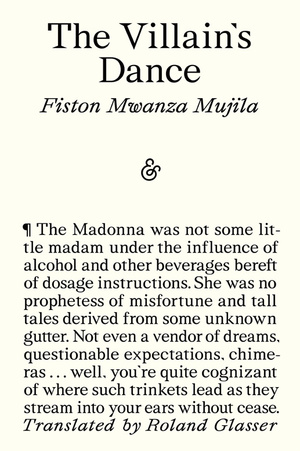
Days of Love and Rage; Pharma Monopoly; The Villain’s Dance; Wilderness of Mirrors.
An Ode to Addis Ababa
559 - January, 2026
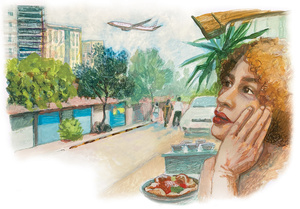
In her final letter, Maya Misikir reflects on the city’s magnetic pull – and the bittersweet gravity it holds for those who leave and return.

Making Waves: Prafulla Samantara
504 - July, 2017
The Indian human rights defender who stopped a mining giant in its tracks speaks with Veronique Mistiaen.

Worldbeaters: The Kim Family
503 - June, 2017
Kim Jong-un's headline grabbing aggressive irrationalism takes some beating (though he might have met his match in recent times...)
The global far right - The Facts
557 - September, 2025
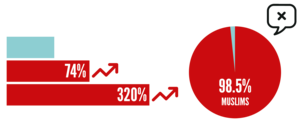
Political Power; Hate Watch; Law and Order; Conspiracy Machine.



The New Internationalist is an independent bi-monthly not-for-profit magazine that reports on action for global justice. We believe in putting people before profit, in climate justice, tax justice, equality, social responsibility and human rights for all.
Find us:
- Twitter: @newint_au
- Facebook: @newint.au
- Instagram: @newint_au
- Youtube: niaustraliashop
- Apple: App Store
- Android: Play Store
Contact us:
New Internationalist acknowledges the Traditional Owners of Country throughout Australia and recognises their continuing connection to land, waters and culture. We acknowledge that these lands were stolen and sovereignty was never ceded. We pay our respects to Elders both past and present.
© Copyright New Internationalist 1973-2026. Except where otherwise noted, content on this site is licensed under Creative Commons.
Except where otherwise noted, images on this site are © the attributed photographer/illustrator or representative agency.