
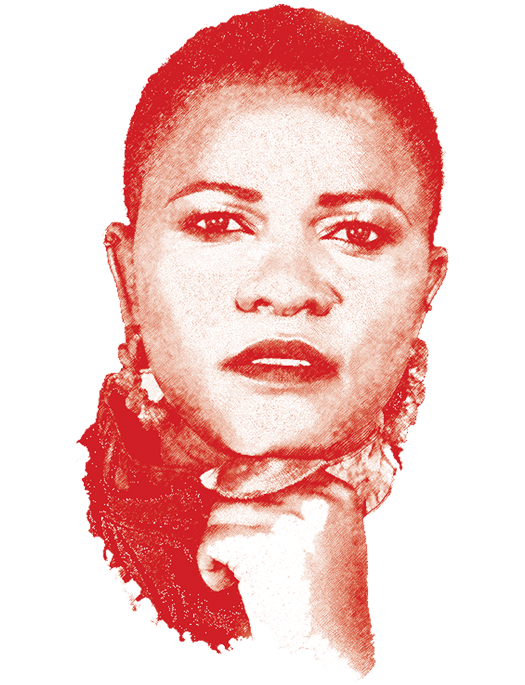
In a significant win for recognition, in February, Kenya moved to allow ‘intersex’ as a third gender on birth certificates. By Intersex people are born with sex characteristics (such as sexual anatomy, reproductive organs, hormonal patterns and/or chromosomal patterns) that do not fit typical binary notions of male or female bodies. Experts estimate that up to 1.7 per cent of the population is born with intersex traits.1
In Kenya and elsewhere, intersex children find their human rights violated from infancy – with forced medical interventions and even murder. Later in life, many experience discrimination in education, sport, employment and other public services.
