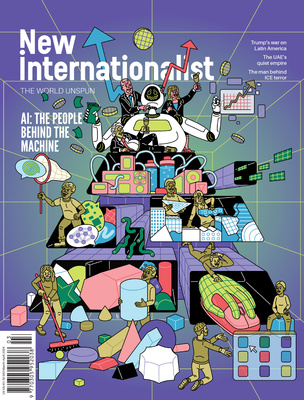
AI: the people behind the machine
A note from the editor

Lethal technology
You can ask an AI chatbot anything from the best gift for a relative who has everything to the ‘perfect’ chocolate brownie recipe. A response is available 24/7.
But there are darker sides to this technology.
In September 2025, Adam Raine, a 16-year-old from California, ended his life after several months of intense ChatGPT use. His parents later sued OpenAI, the company behind the platform, alleging it encouraged Raine’s suicidal thoughts.
The same week that Raine’s parents filed suit, writer Stephen Marche mused in the pages of the New York Times that chatbots had ‘an extraordinary new power’ that made them distinct from technological advances of the past. ‘No merely mechanical object has ever talked somebody into suicide before,’ he wrote.
But AI’s ability to induce psychosis in some users does not make it more impressive.
Despite its documented dangers, algorithmic biases and dire environmental consequences, Big Tech companies and complicit governments have succeeded in pushing AI into every corner of our lives. It is presented to us by the companies marketing it as an inevitable, society-altering force that cannot be resisted and is coming to change our jobs, lives and relationships for good. This Big Story asks who benefits from framing it this way? Whether it’s actually useful? And at what cost?
Also in this edition, Fabio Lovati reports on the push for a new Indigenous majority state in India, while Kojo Koram and Colin Bogle explore the regional ramifications of Donald Trump’s imperialist ambition in Venezuela.
Decca Muldowney for the New Internationalist co-operative.
www.newint.org
The big story
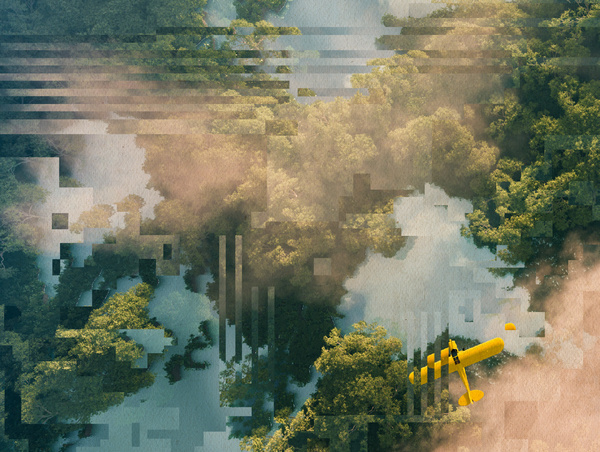
A plane surveys a distorted landscape.
Photo: Lone Thomasky & Bits&Baume/betterimagesofai.org/creativecommons-by-4.0
AI and its discontents
560 - March, 2026
Imagery generated by artificial intelligence has become the beloved aesthetic of today’s dictators, argues Decca Muldowney. A robust media is needed to combat misinformation and its miseries.
The Big Story
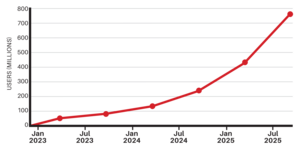
Artificial intelligence - The Facts
560 - March, 2026
The bubble; Thirst for data; Ghost workers in the machine.
The myth of inevitability
560 - March, 2026
Is AI really an unstoppable force? Paula Lacey unpicks the complex web of companies, investments, and ideologies behind the ‘bubble’.

‘Pennsylvania is perfect’
560 - March, 2026
Tech companies are building enormous data centres and reconfiguring energy infrastructure across the US, all to power the burgeoning AI industry. On a road trip, Maia Woluchem and Livia Garofalo trace the impacts of – and resistance to – this development push.
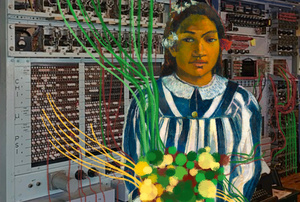
The janitors of the internet
560 - March, 2026
Adio-Adet Dinika explores the hidden stories of the workers who prop up artificial ‘intelligence’, and their efforts at organized resistance.

The kill chain
560 - March, 2026
AI is making warfare even more deadly. Decca Muldowney speaks to Chris Cole of Drone Wars about the risks of weapons that make their own decisions.
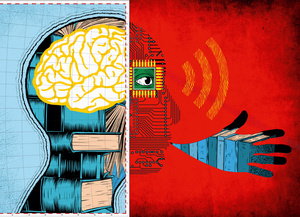
Approaching infinity
560 - March, 2026
Is the artistic process in danger? Novelist Rémy Ngamije considers the role of human creativity in a world embracing generative AI.

Another failure of the ‘war on drugs’
560 - March, 2026
Kojo Koram places the abduction of Venezuela’s leader within the long history of US drug policy being used against Latin American governments that resist its geopolitical or economic interests.
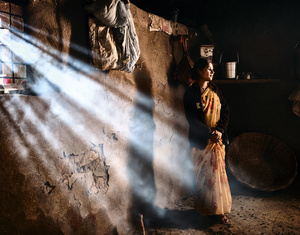
A claim for the future
560 - March, 2026
Would a separate state improve the lives of Indigenous communities in India? Fabio Lovati reports on the movement that thinks it would.

The return of petro-imperialism
560 - March, 2026
While Caribbean governments have been quiet about US intervention in Venezuela, and the build-up of military activity in the region, activists have been taking a stand, writes Colin Bogle.
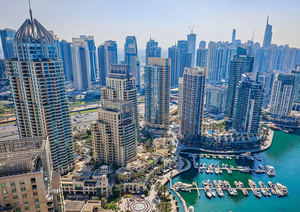
The quiet empire
560 - March, 2026
Through ports, militias and business deals, the United Arab Emirates has built an architecture of control stretching across the Red Sea, writes Eiad Husham.
Comment

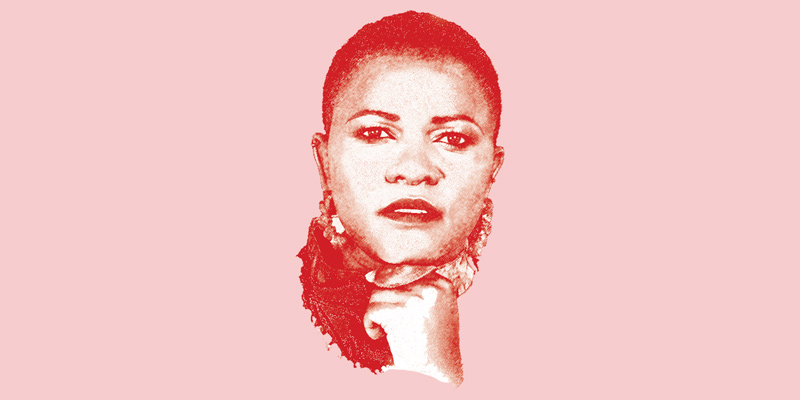


Who’s eating at Carney’s table?
560 - March, 2026
Is the Canadian prime minister’s famous Davos speech as radical as it’s being portrayed? New Internationalist editors share their take.
Currents
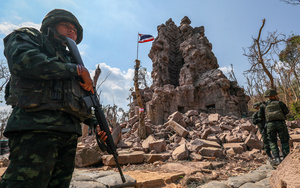
Temple Under Siege
560 - March, 2026
Half a century after US bombs fell on Cambodia, nationalist brinkmanship has reignited a border war with Thailand, driving civilians from their homes and reducing Preah Vihear’s ancient stones to rubble. Rodrigo Rosales reports.
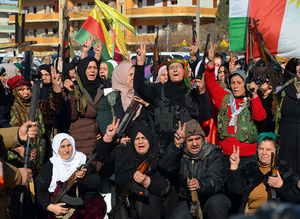
Kurds Betrayed
560 - March, 2026
After years as Washington’s frontline ally against Isis, Syria’s Kurds find themselves abandoned to a resurgent central state and a former jihadist now recast as president. Zac Larkham reports.
Briefly
560 - March, 2026
Patagonia in flames; Unlikely allies; Catch me if you can; ‘Vegas-ification’ of Gaza; Journalism under fire; Freedom for the Filton.
Killer tunes?
560 - March, 2026
From Chicago drill to narcocorridos, a new report argues that blaming music for gun crime obscures the deeper injustices – poverty, racism and weak gun laws – that pull the trigger. Amy Hall reports.
Celebrating 2976
560 - March, 2026
As Morocco embraces Amazigh identity in law and symbol, mountain communities marking Yennayer say recognition rings hollow without justice for land, language and livelihoods. Peter Yeung reports.

Rights reversal
560 - March, 2026
With José Antonio Kast poised to govern, Chilean activists warn that promises of order and austerity mask a looming rollback of human, Indigenous and women’s rights hard won since the Pinochet era. Ali Qassim reports.
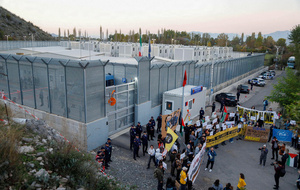
Colonial Echoes
560 - March, 2026
From Shëngjin to Gjadër, Italy’s offshore detention centres in Albania revive colonial shadows as Europe pushes its borders – and its responsibilities – ever further from view. Dalia Ismail reports.
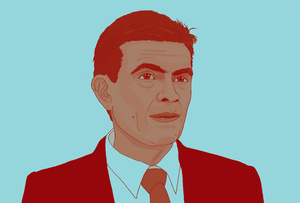
Introducing... Rodrigo Paz Pereira
560 - March, 2026
Bolivia’s traditional political class president. By Richard Swift.
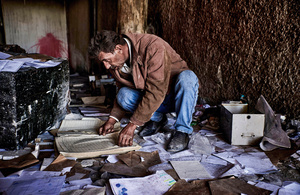
Paper trail
560 - March, 2026
From Berlin’s Stasi files to Aleppo’s courtrooms, Syria’s fragile reckoning with decades of repression hinges on rescuing the paper trail before memory – and justice – slips away. Paul Hefel-James reports.
Lithium and losses
560 - March, 2026
As Ghana courts the green transition with its first lithium mine, farmers in Cape Coast say the promised boom has already delivered dispossession, delay and deepening poverty. Amanda Sperber reports.

Regulars

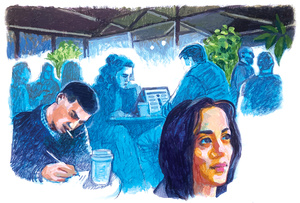
Holding on
560 - March, 2026
Mariam Barghouti opens her series from Ramallah by examining the Palestinian city’s coffee boom – and what it says about life under occupation.

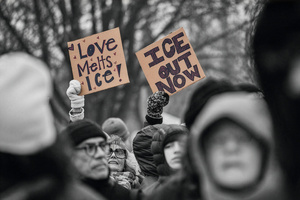
Sign of the Times
560 - March, 2026
Protesters gather in Minneapolis demanding justice for Renee Good. By Edwige Moses.
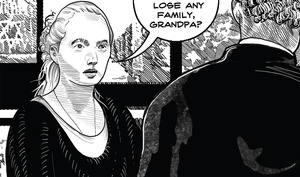
The Hungarian resistance
560 - March, 2026
Sander Feinberg and Summer McClinton uncover a family history of the Hungarian Resistance

Southern Exposure: Subhran Karmakar
560 - March, 2026
Highlighting the work of artists and photographers from the Majority World.

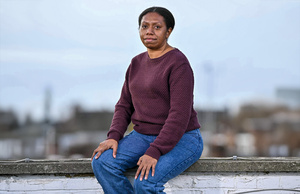
‘Our lives don’t matter to the Indonesian government’
560 - March, 2026
Indigenous land defender Lia Yewen talks to Maxine Betteridge-Moes about West Papuan identity, confidence and humour in the face of Indonesian military occupation.


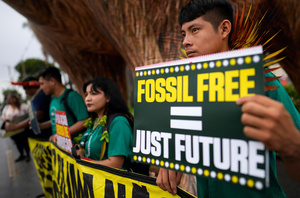
Temperature check
560 - March, 2026
Stepping back from the brink. Will more countries sign up to a fossil fuel phase-out? Words by Danny Chivers.

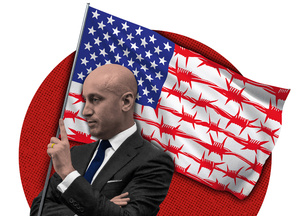

Agony Uncle: Social media
560 - March, 2026
Struggling with an ethical dilemma? New Internationalist’s Agony Uncle can help you find answers in our troubled political times.
Film, Book & Music Reviews

Mixed Media: Books
560 - March, 2026
Why Christian should be Leftists; Landscape with Landscape; Big Kiss, Bye-Bye; Notes From a Lost Country.


Books Essay: Global agendas
560 - March, 2026
A new study of transgender experiences finds both diversity and common ground. By Jennie Kermode.
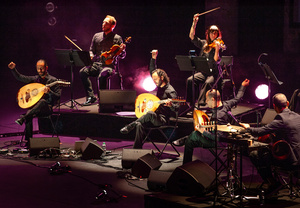

The New Internationalist is an independent bi-monthly not-for-profit magazine that reports on action for global justice. We believe in putting people before profit, in climate justice, tax justice, equality, social responsibility and human rights for all.
Find us:
- Twitter: @newint_au
- Facebook: @newint.au
- Instagram: @newint_au
- Youtube: niaustraliashop
- Apple: App Store
- Android: Play Store
Contact us:
New Internationalist acknowledges the Traditional Owners of Country throughout Australia and recognises their continuing connection to land, waters and culture. We acknowledge that these lands were stolen and sovereignty was never ceded. We pay our respects to Elders both past and present.
© Copyright New Internationalist 1973-2026. Except where otherwise noted, content on this site is licensed under Creative Commons.
Except where otherwise noted, images on this site are © the attributed photographer/illustrator or representative agency.