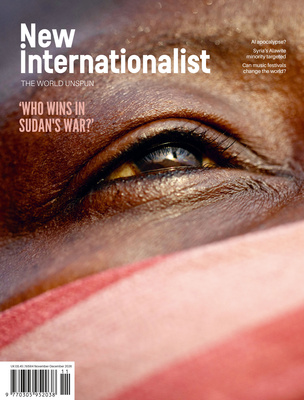
Who wins in Sudan's war
A note from the editor

Displaced, not silenced
When the Rapid Support Forces (RSF) raided the Ayin Network office in May 2023 it was time to move. War had broken out less than a month before and downtown Khartoum was one of the first targets.
Ayin lost its disorganized, but valuable, library of images and footage, and its reporters, like millions of other Sudanese, were dispersed across the country and region.
Run almost entirely by Sudanese journalists, Ayin (Arabic for ‘look’) has survived a multitude of challenges over 13 years – from a dictatorship to a revolution – in order to continue reporting, often focusing on the marginalized periphery of Sudan.
With limited access on the ground and a constant flow of disinformation from the warring parties, an accurate death toll from the current war remains elusive, but the Sudanese Journalists Syndicate estimates at least 30 journalists have died, alongside tens, or hundreds, of thousands of other citizens.
Documenting the war from inside the country is incredibly dangerous, but journalists are still at risk when they leave, as Eiad Husham illustrates later in this magazine’s Big Story.
The war, and the wider humanitarian crisis, have often been absent from the international headlines. That’s why New Internationalist is glad to be working with Ayin on this Big Story, tracing Sudan’s revolutionary past to the current war on civilians.
Also in this edition, Decca Muldowney explains why the AI companies want to keep us afraid, and the Long Read takes a deep dive into how Palestine became a focus of international anti-colonial solidarity.
Amy Hall and Tom Rhodes for the New Internationalist co-operative.
www.newint.org
The big story
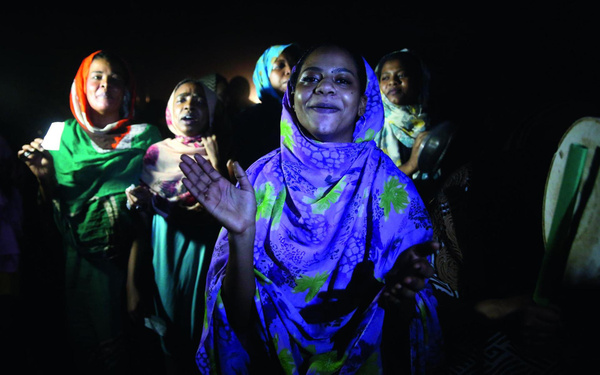
Sudanese protesters shout pro-revolution slogans as they march in Khartoum, Sudan, on 19 June 2019.
Photo: Hussein Malla/AP Photo/Alamy
The revolution lives on
564 - November, 2026
Lara Lamie traces Sudan’s revolutionary spirit, from tearing down a dictator’s regime to keeping the hope of civilian rule alive as the warring generals tear the country apart.
The Big Story
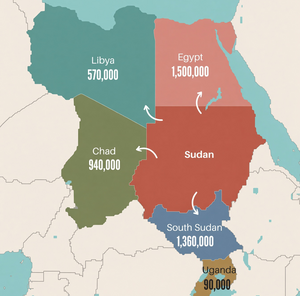
Sudan War - The Facts
564 - November, 2026
Forced out; threat to life; healthcare under attack; ‘starvation strategy’.
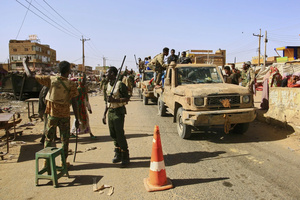
War can change a person
564 - November, 2026
How has conflict divided the comrades of Sudan’s revolution? Idris Abdullah speaks to three Resistance Committee members who have each taken a very different path.
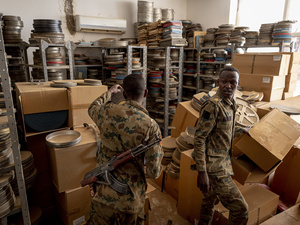
Poisoning the well
564 - November, 2026
Winning wars is not just about military power, but who controls the narrative. Eiad Husham reports on how both sides of the conflict are stretching their information war outside of Sudan’s borders.
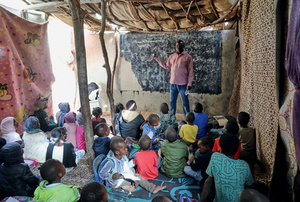
Dreams under the rubble
564 - November, 2026
Years of war have turned education into a battleground in Sudan. Mohamed Abdel Hafeez reports on the out-of-school generation.
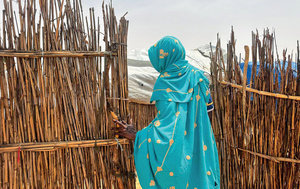
Reshaping the map
564 - November, 2026
The war has triggered one of the world’s biggest refugee crises. Now the systematic displacement is changing the face of Sudan, writes Mohammed Abdelkareem Dyop.
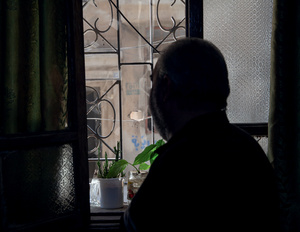
‘No-one goes out after dark’
564 - November, 2026
Blamed for the crimes of the Assad regime, Syria’s Alawites are facing a wave of revenge attacks. In Homs, fear is driving a community into the shadows, reports Alex Martin Astley.
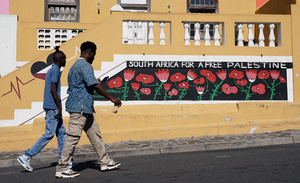
‘You can’t keep Spring from coming’
564 - November, 2026
Abi Bae and Hamza Hamouchene explore how Palestine became a focus of international anti-colonial solidarity, and why we need to reclaim the hope of the past.
Comment
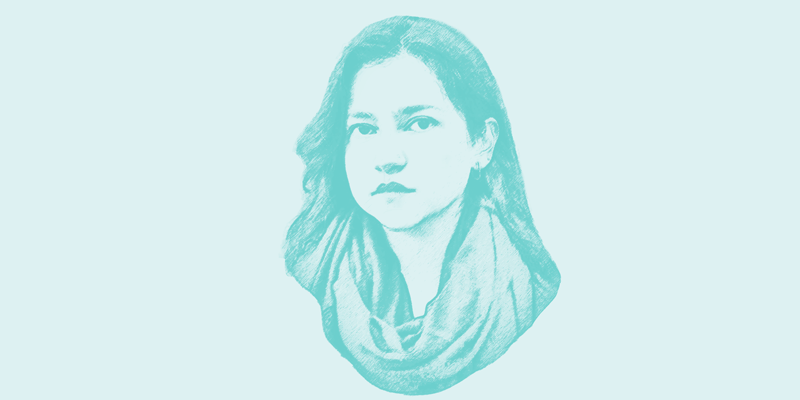
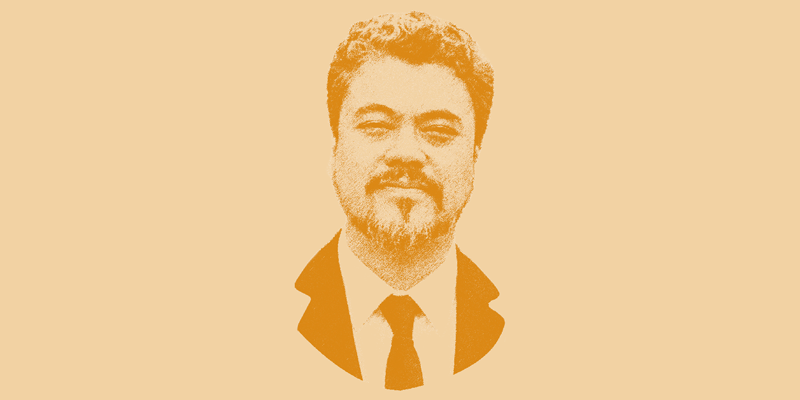
View from Brazil
564 - November, 2026
Enter the age of cybernetic anything-goes politics, by Leonardo Sakamoto.
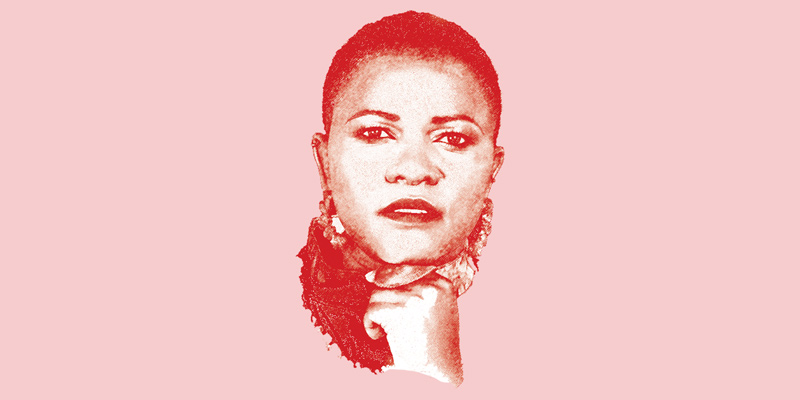

Third-country deportations are a red line
564 - November, 2026
From the US to the EU, we can’t let banishment become the new normal in migration policy, New Internationalist editors warn.
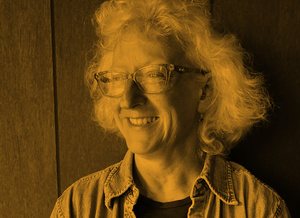
Meet a co-owner: Ann Cibulskis
564 - November, 2026
Our community of more than 4,600 co-owners come from all walks of life and all over the world. In this column, we meet some of them to find out what they do, what they care about and what keeps them hopeful.
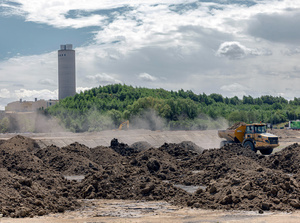
AI apocalypse now?
564 - November, 2026
Decca Muldowney turns a critical eye on industry-theatrics to examine the real and imagined world-destroying potential of AI.
Currents
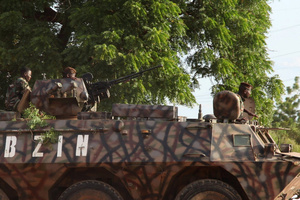
Russia to the rescue?
564 - November, 2026
Africa Corps drones help Tiani’s forces crush a mutiny by frontline soldiers angry at heavy casualties and poor conditions. Obiora Ikoku reports.
Going far right again?
564 - November, 2026
AfD’s landslide in Saxony-Anhalt raises the prospect of Germany’s first far-right state government since the war, as civil society braces for repression. Jelena Malkowski reports.
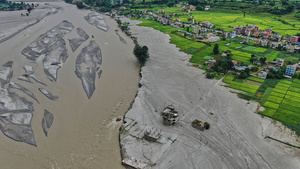
Flood of solidarity
564 - November, 2026
Nepalis mobilize to help after a climate-linked flash flood kills more than 1,450. Shoaib Mir and Parthu Venkatesh report.
‘They are alone’
564 - November, 2026
Months after the June earthquakes killed more than 6,500, civilian solidarity has faded and La Guaira remains in ruins. Bethany Rielly reports.
Introducing... The Democratic Socialists of America
564 - November, 2026
DSA-backed Melat Kiros unseats a 30-year incumbent, as radical Democrats challenge both Trump and the party establishment. Richard Swift reports.
Ancient Wisdom
564 - November, 2026
In the Cordillera Negra, Indigenous water systems are being revived to face climate-driven scarcity. Heather Jasper reports.
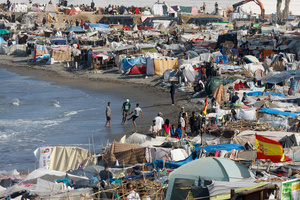
The long wait
564 - November, 2026
After mass crossings from Morocco, thousands remain trapped in tents while hostility and violence grow. Javier Jennings Mozo reports.
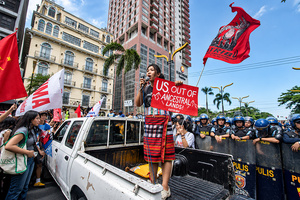
Not for sale!
564 - November, 2026
Plans for a massive semiconductor complex in Tarlac spark protests over Indigenous displacement and water loss. Timothy Avila reports.
Elections at last?
564 - November, 2026
After years of postponements, the country’s first national vote is finally set for December – with many safeguards still missing. Jackson Okata reports.
Disempowered
564 - November, 2026
Britain’s market design let the most expensive plants set the price for everyone during the crisis. Bethany Rielly reports.
Regulars

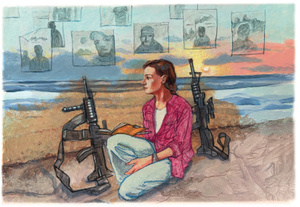
The men behind the masks
564 - November, 2026
After three fighters are assassinated, Mariam Barghouti reflects on their lives and what they were fighting for.
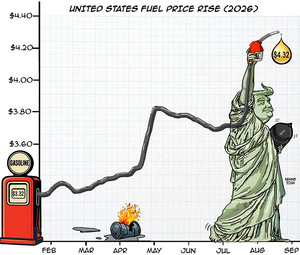

Country Profile: Philippines
564 - November, 2026
The photos, facts, and politics of the Philippines.
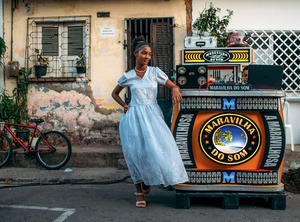
Southern Exposure: Ingrid Barros
564 - November, 2026
Highlighting the work of artists and photographers from the Majority World.
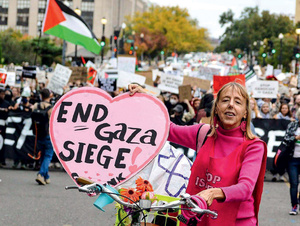
‘Israel is using our religion for war crimes’
564 - November, 2026
CODEPINK co-founder Medea Benjamin discusses political activism, electoral politics, protest and the future of the peace movement with Subi Shah.
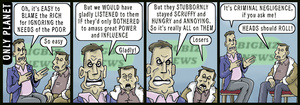
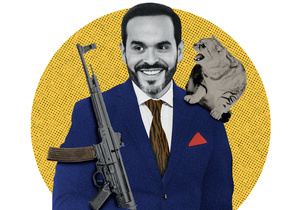

Agony Uncle: Generative AI
564 - November, 2026
Struggling with an ethical dilemma? New Internationalist’s Agony Uncle can help you find answers in our troubled political times.
Film, Book & Music Reviews

Mixed Media: Books
564 - November, 2026
Choruses and Counter-Choruses; The Vanishing Girl of Kabul; The Hyena’s Daughter; Red Skies.


Dance, then revolution?
564 - November, 2026
From Wiltshire to Chiapas, revellers are looking for political action as well as entertainment. But is the dream that created the modern festival merely that? By Frances Leach.
Books Essay: The televised counter-revolution
564 - November, 2026
Can a failed coup in 1980s Spain help us understand the true nature of democracy? By Jack Dunleavy.

The New Internationalist is an independent bi-monthly not-for-profit magazine that reports on action for global justice. We believe in putting people before profit, in climate justice, tax justice, equality, social responsibility and human rights for all.
Find us:
- Twitter: @newint_au
- Facebook: @newint.au
- Instagram: @newint_au
- Youtube: niaustraliashop
- Apple: App Store
- Android: Play Store
Contact us:
New Internationalist acknowledges the Traditional Owners of Country throughout Australia and recognises their continuing connection to land, waters and culture. We acknowledge that these lands were stolen and sovereignty was never ceded. We pay our respects to Elders both past and present.
© Copyright New Internationalist 1973-2026. Except where otherwise noted, content on this site is licensed under Creative Commons.
Except where otherwise noted, images on this site are © the attributed photographer/illustrator or representative agency.