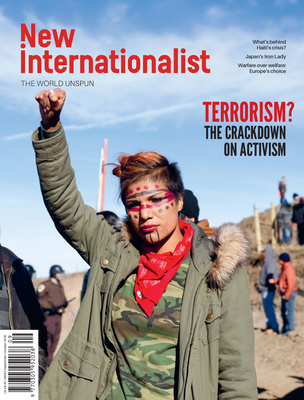
Terrorism? The crackdown on activism
A note from the editor

Global crackdown
As this magazine went to print the United States government imposed sanctions on Palestine Action and several other international activist collectives, declaring them ‘far-left terrorist groups’. Their assets will be frozen, fundraising for the groups will be banned and those involved will face bans from travelling to the US. Marco Rubio, the US secretary of state wrote that ‘far-left terrorism poses a profound threat’.
It was the latest salvo in a legal war being waged against protest groups by the Trump administration, but the precedent was set by Britain’s Labour government, who declared Palestine Action a terrorist group last July.
However, as this magazine traces, the expanding use of terrorism laws against protesters has deep roots in the suppression of anti-colonial dissent.
The misuse of terrorism laws is now global, as our examples from Peru, Germany, Palestine and the Philippines show. Our writers also identify avenues for resistance to the equation of protest with terrorism – emphasizing the need for an internationalist response.
Elsewhere in the magazine, we give a huge thanks to all who contributed to our fundraising campaign and ensured New Internationalist can continue publishing.
And Andrew Green meets people from Botswana impacted by cuts to HIV funding, Harold Isaac reports on the collapse of the state in Haiti and our Agony Uncle considers the Gen Z work ethic.
Decca Muldowney for the New Internationalist co-operative.
www.newint.org
The big story
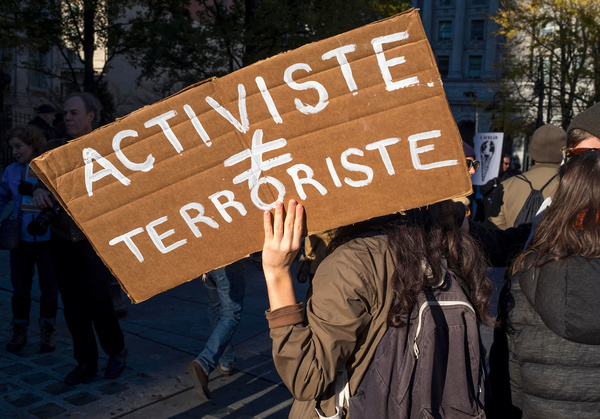
A protestor holds a sign in French during a climate march in New York City on 18 November 2015. The demonstration was part of series of global protests held on the eve of the Paris Climate Summit. Hundreds of thousands of people around the world took to the streets.
Photo: Jonathan Carroll
Activism = Terrorism?
563 - September, 2026
The Empire Strikes Back. Across the globe governments are using terrorism laws to prosecute protesters. Decca Muldowney traces the practice back to its colonial origins, and considers the future consequences for activism.
The Big Story
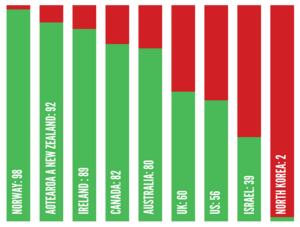
Activism - The Facts
563 - September, 2026
Global Crackdown; Climate Clampdown; Silencing Solidarity.
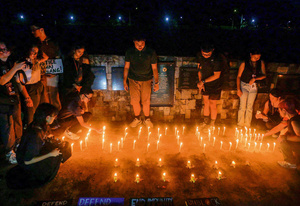
‘Love means fighting back’: resisting red-tagging
563 - September, 2026
In the Philippines, being labelled as a communist ‘terrorist’ can mean arrest, imprisonment and even death, writes Iris Gonzales. But that hasn’t stopped journalists or activists.
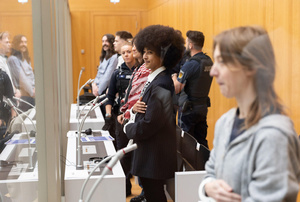
The repression spectacle
563 - September, 2026
The trial of Germany’s Ulm 5 is part of a systematic repression of Palestine solidarity, argues Julia Damphouse, with wide-reaching consequences for activists everywhere.
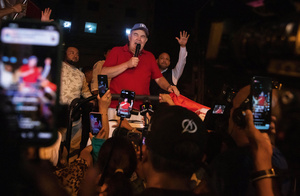
The power of terruqueo
563 - September, 2026
A Peruvian concept can help us understand the equation of activism with terrorism, and how to fight it, writes Oscar Berglund.
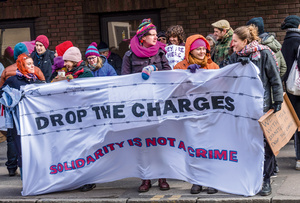
Solidarity forever
563 - September, 2026
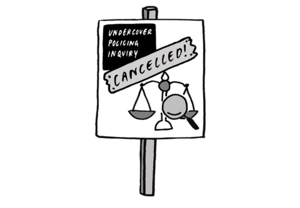
What would you do if you were accused of terrorism? asks Ben Smoke.
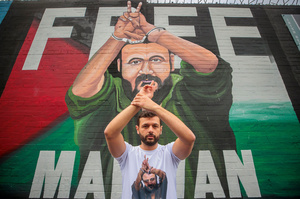
‘It’s a colonial word’: the son of a ‘terrorist’ speaks out
563 - September, 2026
Arab Barghouti, the son of Palestinian political prisoner Marwan Barghouti, tells Bethany Rielly what it was like growing up with the label of ‘terrorist’ applied to his father, and why Marwan has the potential to unite Palestinians.
Shuttered dreams
563 - September, 2026
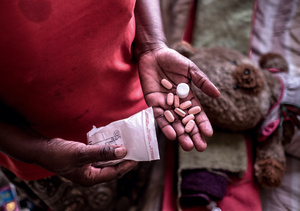
In Botswana, a successful US-funded HIV programme is dead, and with it hopes for preventing new HIV infections in young women. Andrew Green speaks to those affected.
Into the void
563 - September, 2026
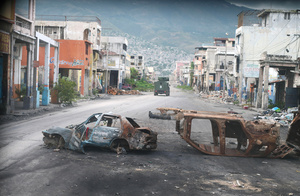
As a new international force promises to crush Haiti’s gangs, Harold Isaac argues that the country’s deepest crisis is not criminal violence but the long collapse of the state – and follows one family navigating the consequences.
Comment



Beware the fickle politician
563 - September, 2026
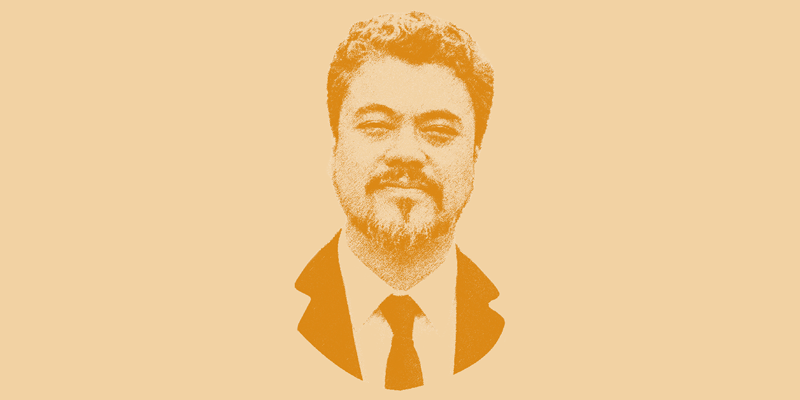
Amid a wave of voter fury over Gaza, some politicians are trying to solidarity-wash their politics. But we must demand firm action, not just warm words, New Internationalist editors write.
Meet a co-owner: Julio Etchart
563 - September, 2026
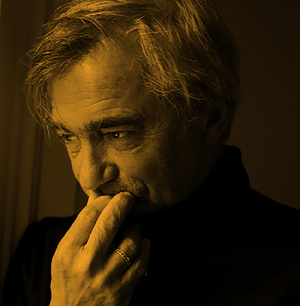
Since becoming a multi-stakeholder co-operative in 2017, more than 4,600 people have invested in the magazine to keep independent international journalism alive.
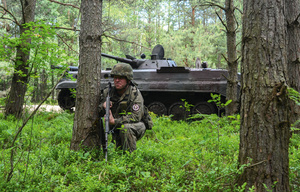
Painting a target on social spending
563 - September, 2026
The US is pushing Europe to choose warfare over welfare. Obscene targets for military spending mean now is the time to reassess NATO membership, argues Kevin Cashman.
Currents
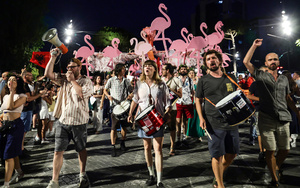
Times Are A-Changin’
563 - September, 2026
What began as a fight against a Trump-linked luxury resort on Albania’s protected coast has become a mass movement against corruption, oligarchs and the sell-off of the country’s future. Steven Edwards reports.
Justice Delayed
563 - September, 2026
The daughter of a murdered Mexican journalist has spent nine years fighting a state that failed to investigate his killing. Her victory exposes the deeper cost of Mexico’s culture of impunity. Alejandra Ibarra Chaoul reports.
Warning: Gas
563 - September, 2026
Britain’s gas dependence isn’t just bad for the climate – it’s leaving the country vulnerable to price shocks, inequality and attack. Nick Dowson reports.
Content, discontent
563 - September, 2026
Kenya’s AI workers have forced labour abuses into the open. Now proposed protections risk legitimizing the same low-paid outsourcing model that left them exposed. Snephin Roy reports.
A rare win
563 - September, 2026
Argentinians have forced Javier Milei into a rare retreat over land rights – proof that even a hardline government can be pushed back by organized resistance. Josefina Salomón reports.
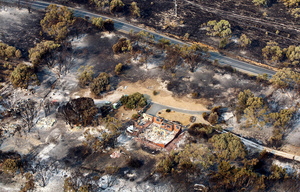
Life-Saving Fire
563 - September, 2026
After generations of colonial fire suppression, Tasmania is returning fire authority to Palawa communities – and rediscovering an ancient tool for surviving a hotter, more combustible world. Natasha Chassagne reports.
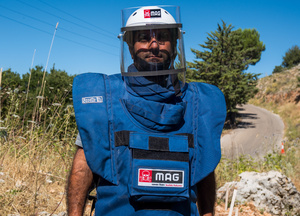
Community Demining
563 - September, 2026
From forested minefields to bombed neighbourhoods, Lebanon’s communities are finding new ways to navigate the deadly remnants of war. Gergana Krasteva reports.
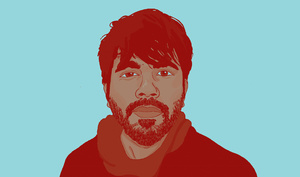
Introducing... Abhijit Dipke and the Cockroaches
563 - September, 2026
India’s ‘Cockroaches’ began as a parody. Now they are a mass youth movement taking on unemployment, repression – and Narendra Modi’s seemingly unshakeable rule. Richard Swift reports.
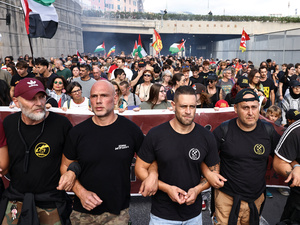
In the dock
563 - September, 2026
From Genoa to Marseille, dockworkers are disrupting the arms trade with Israel – and facing sackings, bans and state repression for doing so. Dalia Ismail reports.
Legal limbo
563 - September, 2026
Victoire Ingabire has spent years challenging Paul Kagame’s rule. Now, facing life imprisonment, her case is raising fresh questions about Rwanda’s use of the justice system to silence dissent. Hannah Uguru reports.

Regulars

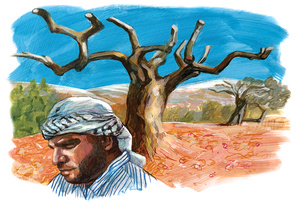
No safe road
563 - September, 2026
Israeli settlers are unleashing a campaign of fear in the West Bank. Mariam Barghouti reflects on how this violence is reshaping everyday life.
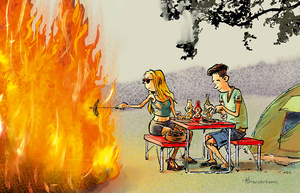
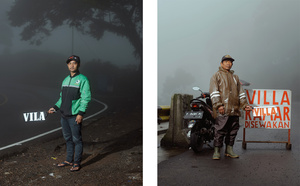
Southern Exposure: Atikah Zata Amani
563 - September, 2026
Highlighting the work of artists and photographers from the Majority World.

‘Gisèle Pelicot is not an outlier’
563 - September, 2026
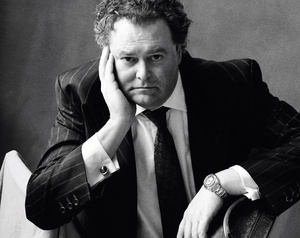
Human rights lawyer Mark Stephens talks to Subi Shah about how online platforms are enabling and encouraging devastating drug-enabled sexual violence around the world.
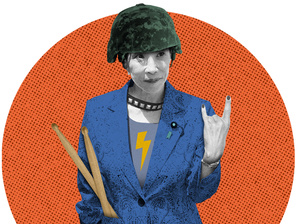

Agony Uncle: Attitudes towards work
563 - September, 2026
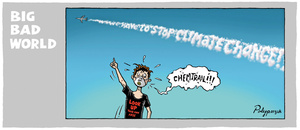
Struggling with an ethical dilemma? New Internationalist’s Agony Uncle can help you find answers in our troubled political times.
Film, Book & Music Reviews

Mixed Media: Books
563 - September, 2026
Empire on the Cheap; The Worst Exhibition in the World; Slow Guillotine; She Who Remains.


Books Essay: Deal with it
563 - September, 2026
A new study of the realities of renewables skewers simplistic narratives about the energy transition. By Ewan Gibbs.

The New Internationalist is an independent bi-monthly not-for-profit magazine that reports on action for global justice. We believe in putting people before profit, in climate justice, tax justice, equality, social responsibility and human rights for all.
Find us:
- Twitter: @newint_au
- Facebook: @newint.au
- Instagram: @newint_au
- Youtube: niaustraliashop
- Apple: App Store
- Android: Play Store
Contact us:
New Internationalist acknowledges the Traditional Owners of Country throughout Australia and recognises their continuing connection to land, waters and culture. We acknowledge that these lands were stolen and sovereignty was never ceded. We pay our respects to Elders both past and present.
© Copyright New Internationalist 1973-2026. Except where otherwise noted, content on this site is licensed under Creative Commons.
Except where otherwise noted, images on this site are © the attributed photographer/illustrator or representative agency.